
TRAININGS & WORKSHOPS
Our laboratory offers specialized training and hands-on workshops to enhance scientific skills, foster innovation, and promote best research practices among students, professionals, and stakeholders. These programs provide practical experience, expert guidance, and up-to-date knowledge in various laboratory techniques and emerging scientific fields.
Basic Molecular Biology Techniques
Next Workshop Date:
Not yet announced
Past Workshop Dates:
Nov. 2025, Apr. 2026
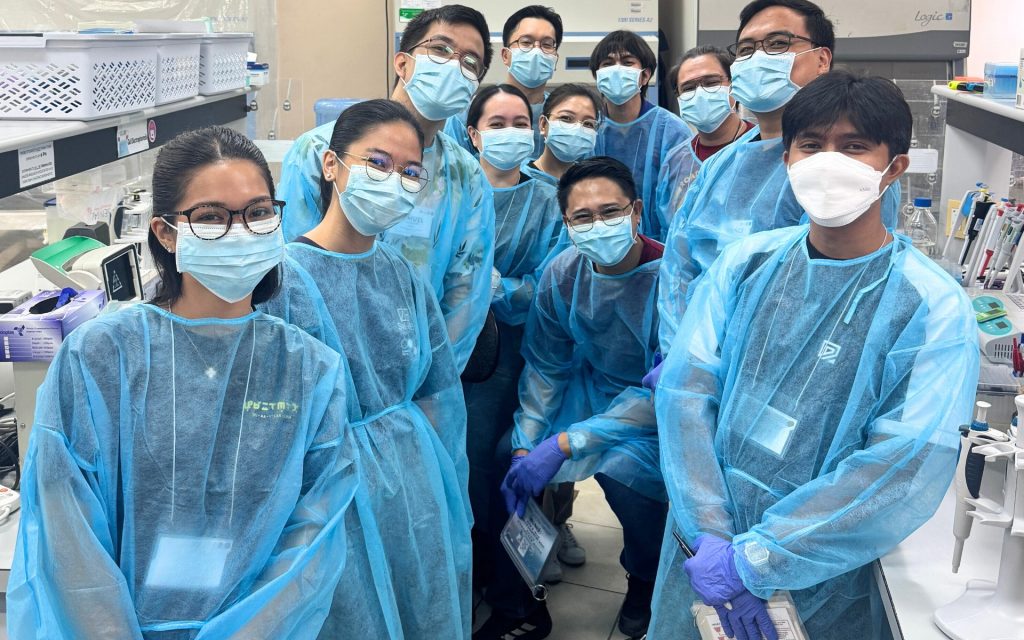
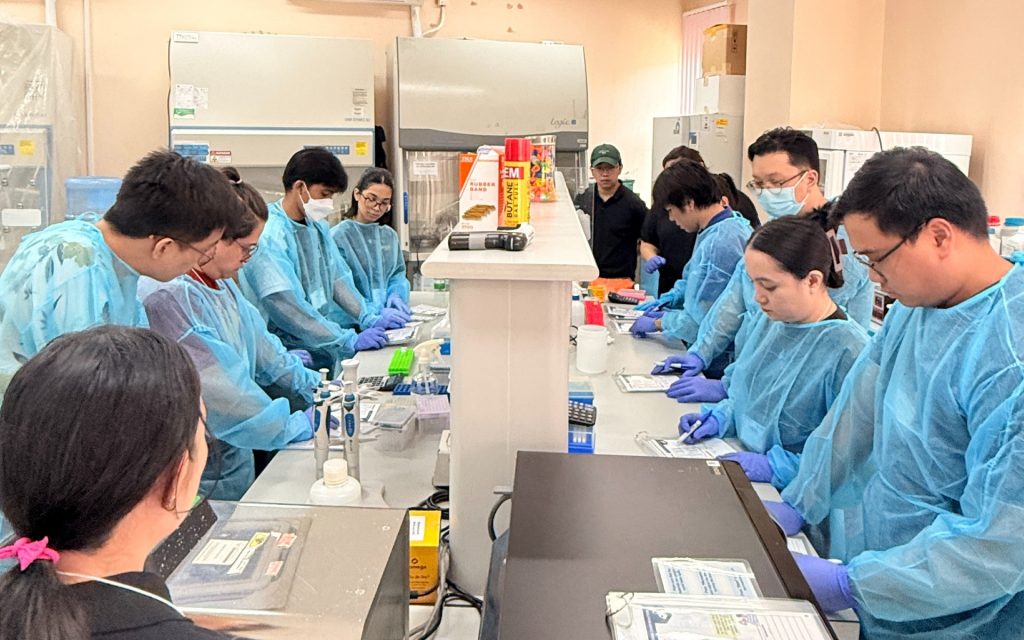
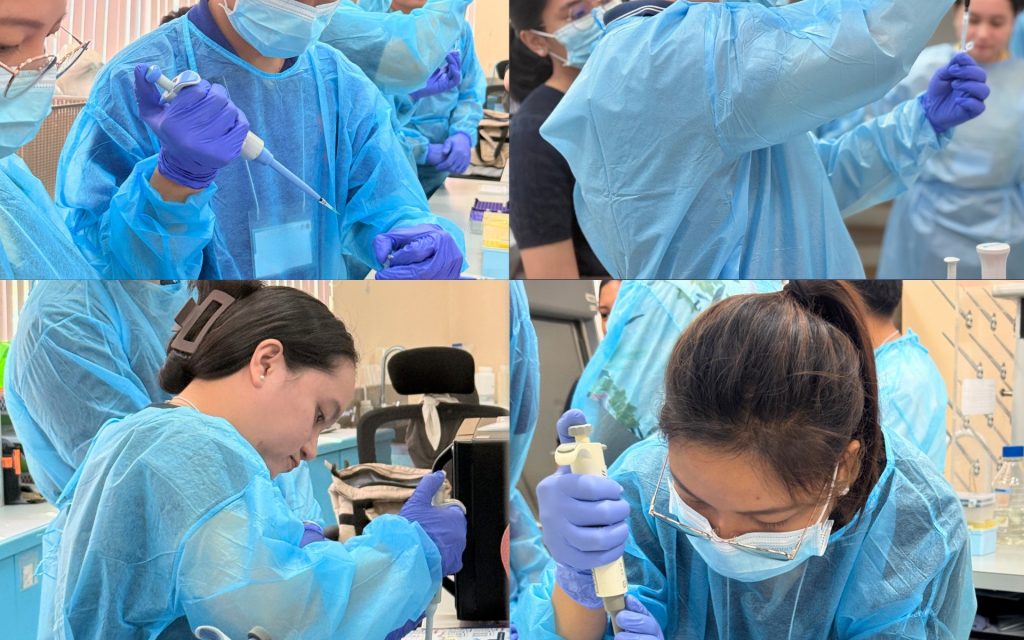
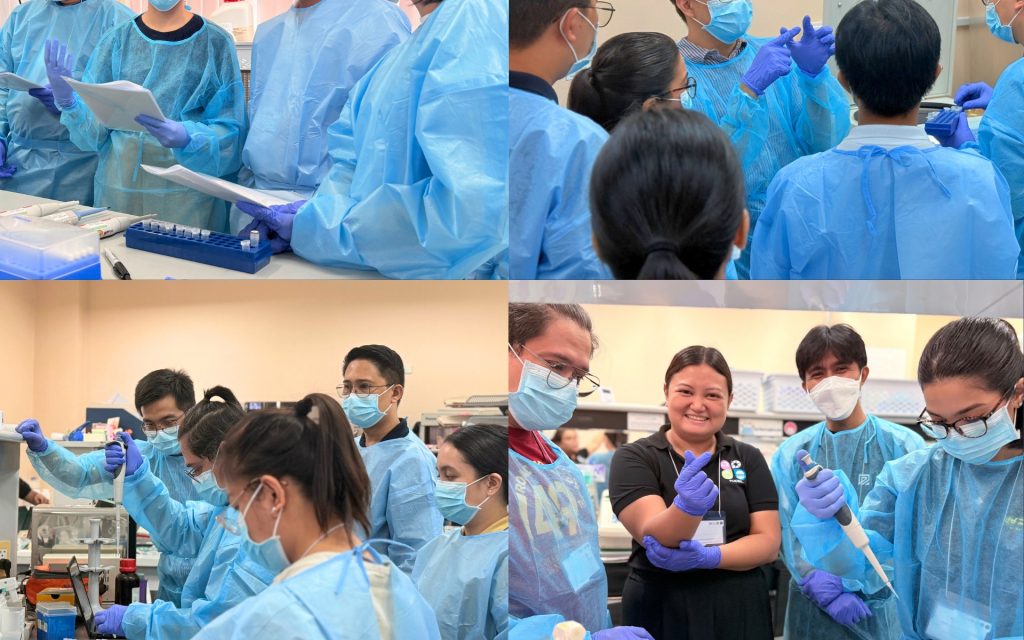
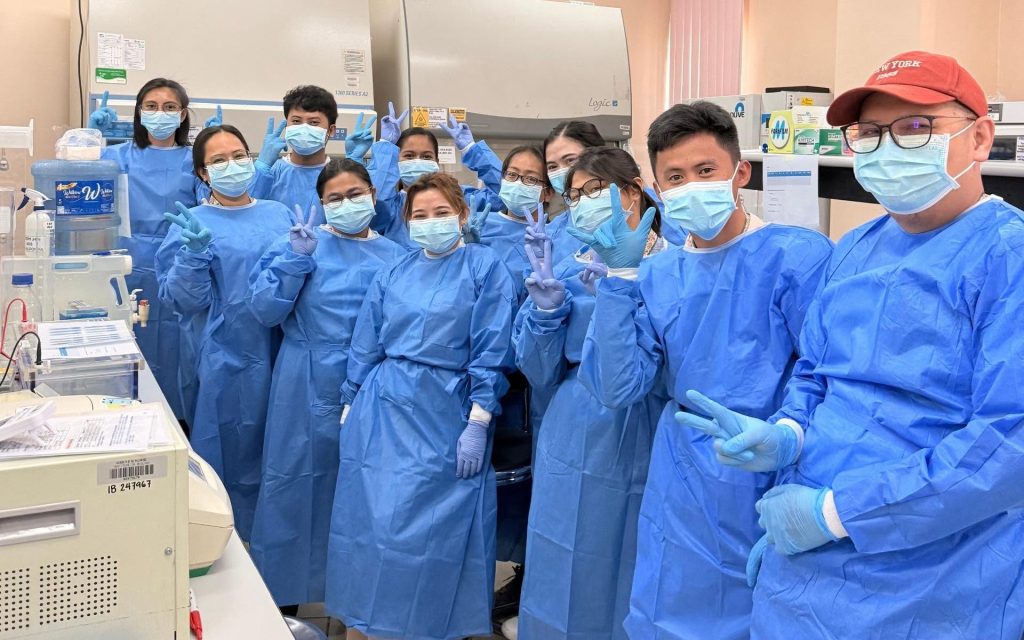
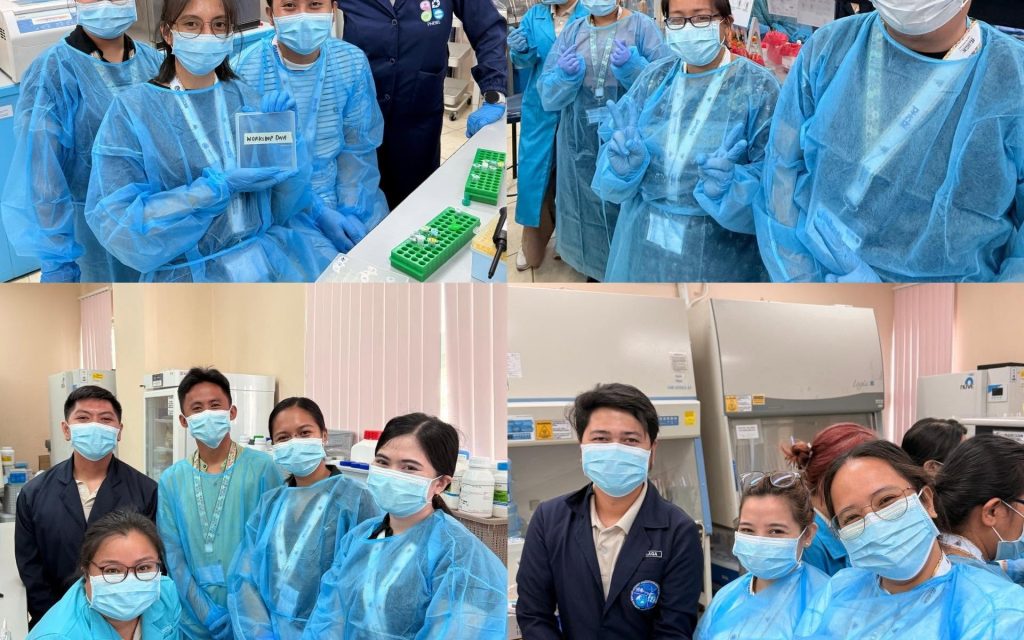
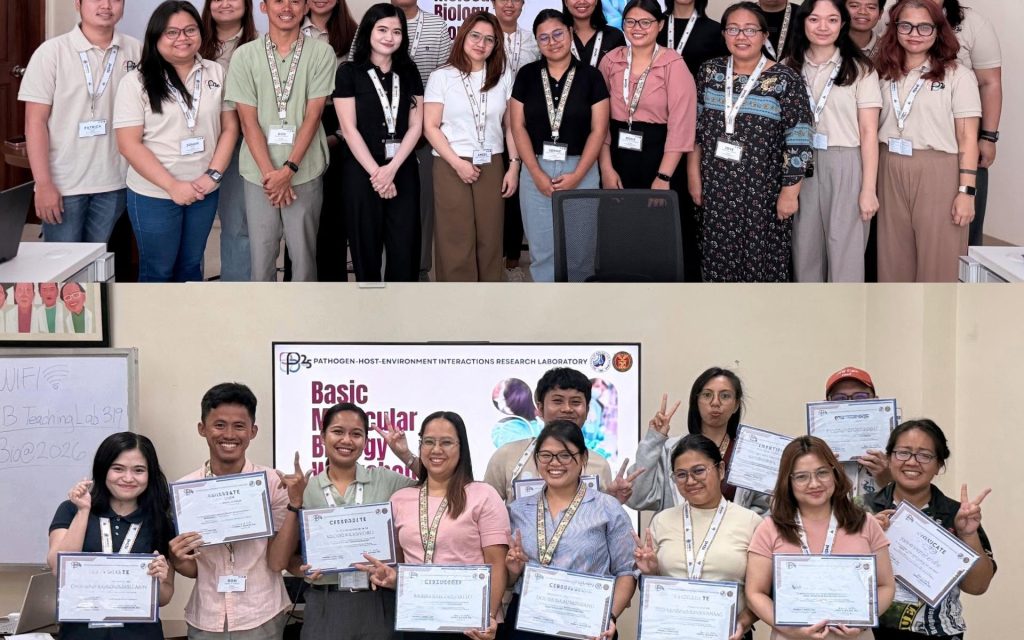
This workshop introduces fundamental molecular biology techniques commonly used in microbiological research. Participants will gain hands-on experience in extracting genomic DNA from pure microbial cultures, assessing DNA quality and quantity, and performing polymerase chain reaction (PCR) amplification of target genes. The workshop also covers the principles and practice of agarose gel electrophoresis (AGE) for visualization and interpretation of PCR products.
Microbial Source Tracking and Antimicrobial Resistance Profiling
Next Workshop Date:
Not yet announced
Past Workshop Dates:
Oct. 2018, Aug. 2024
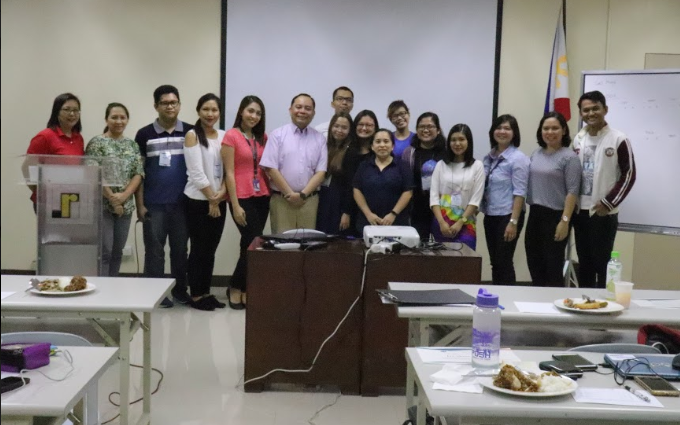
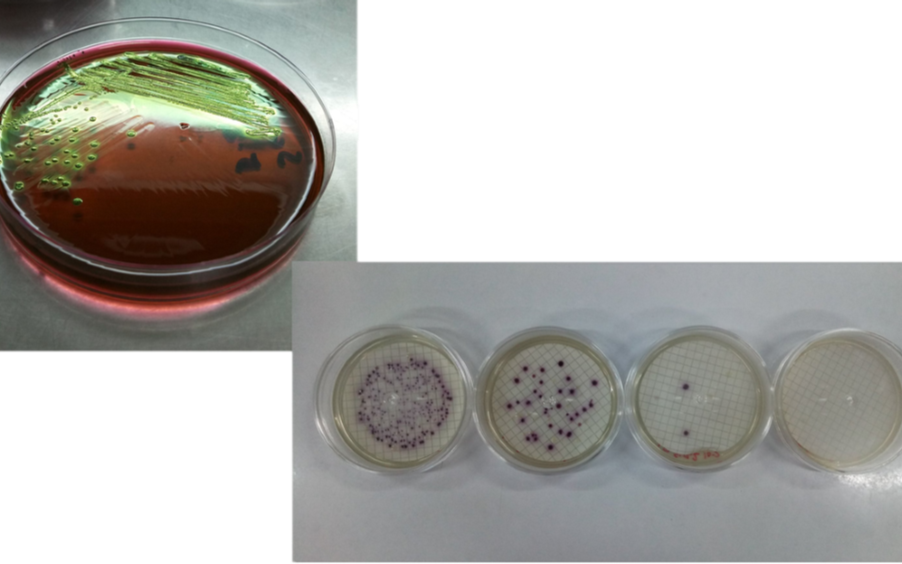
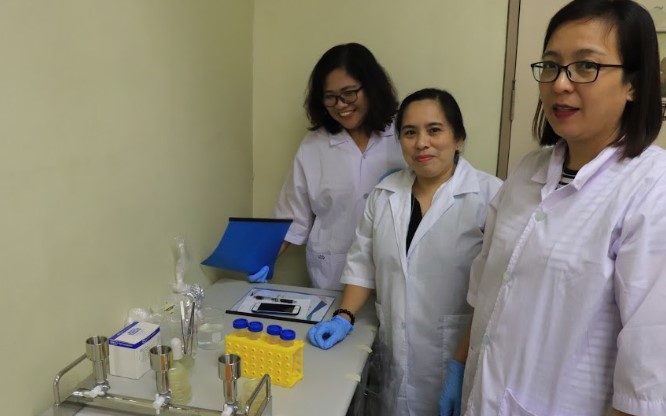
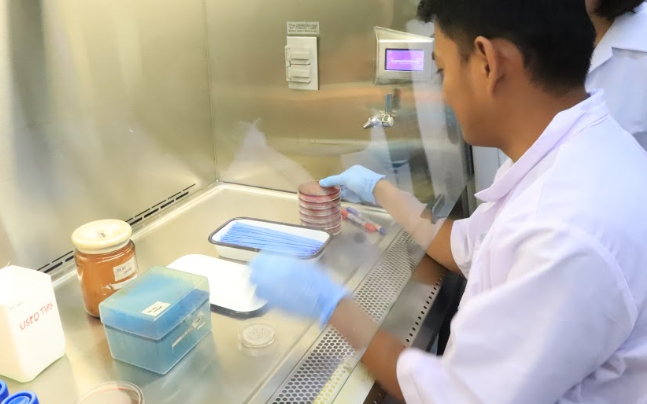
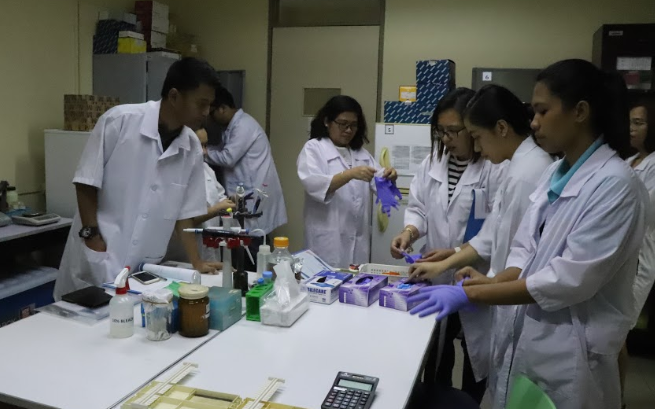
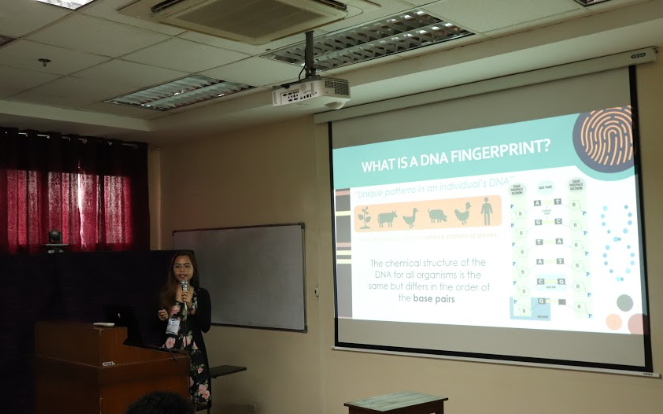
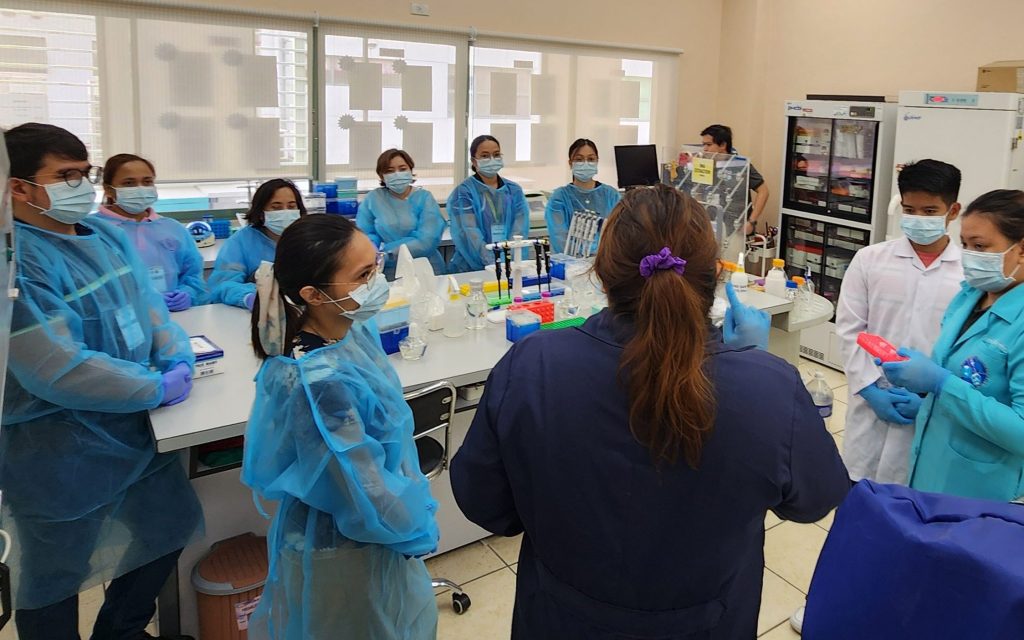
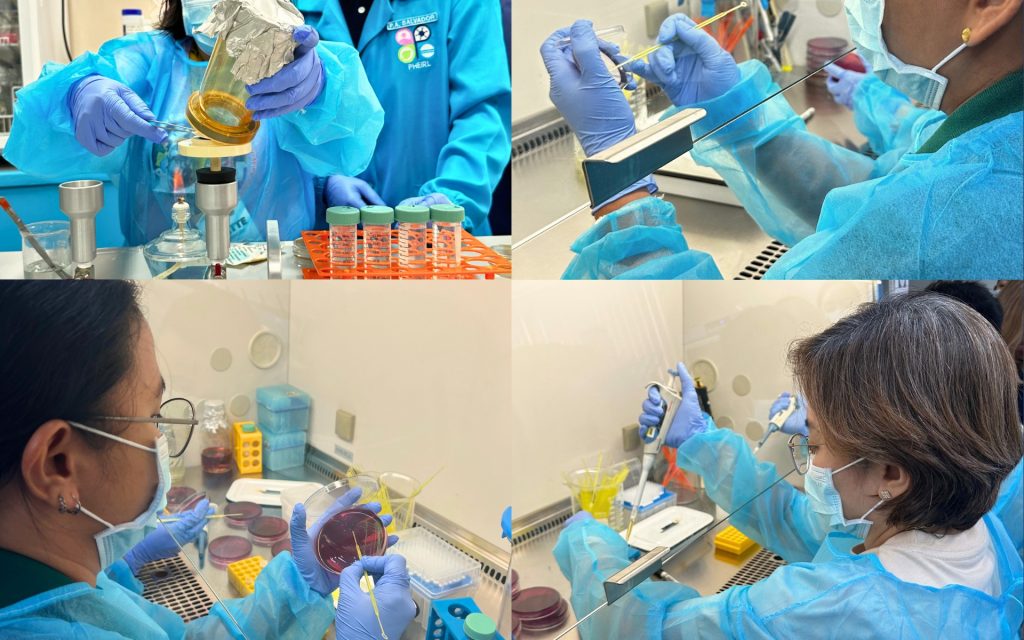
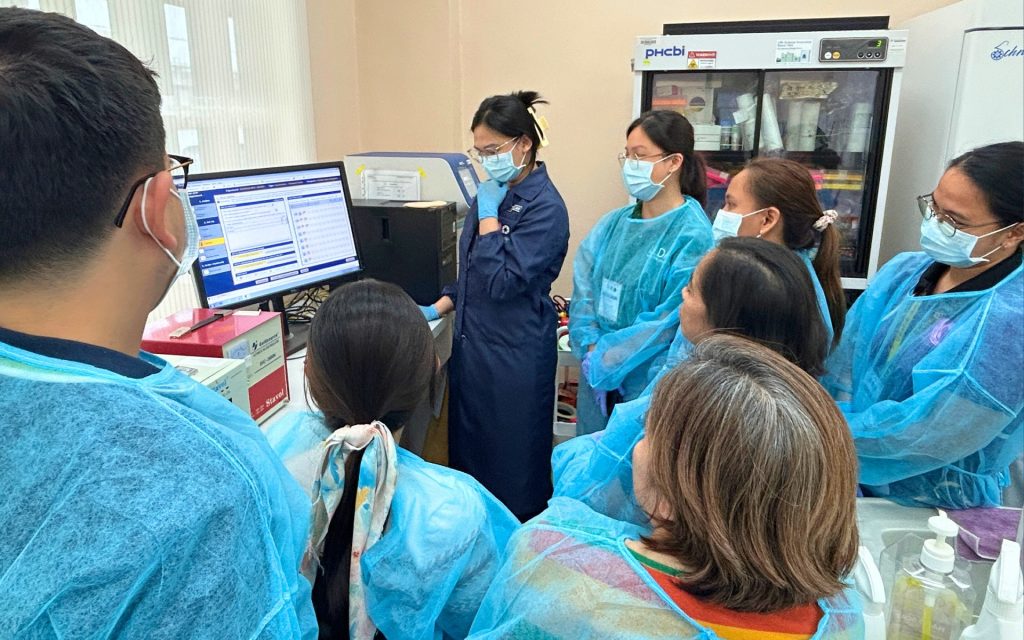
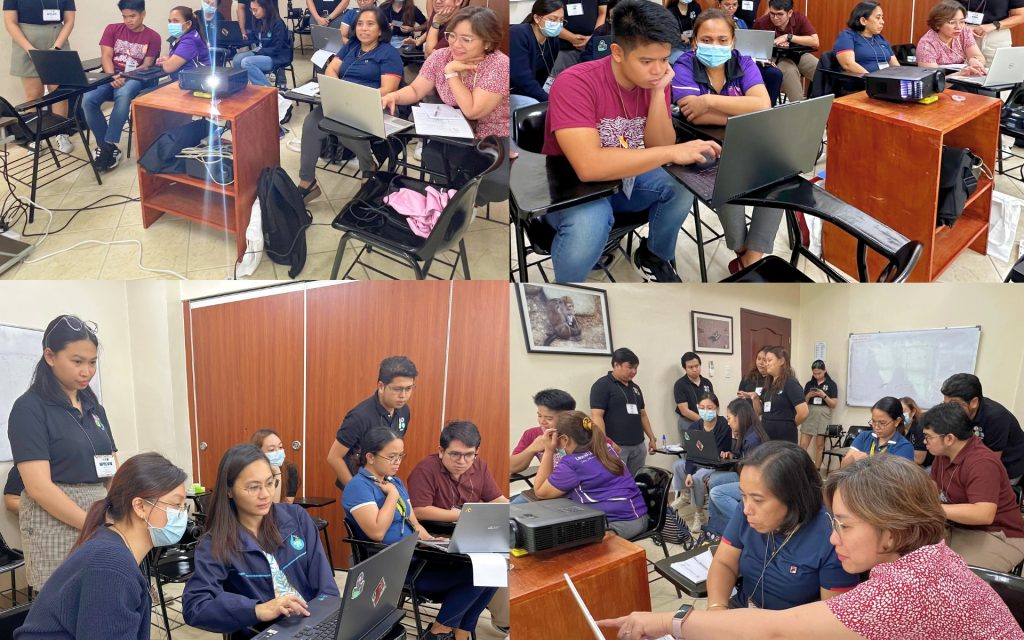
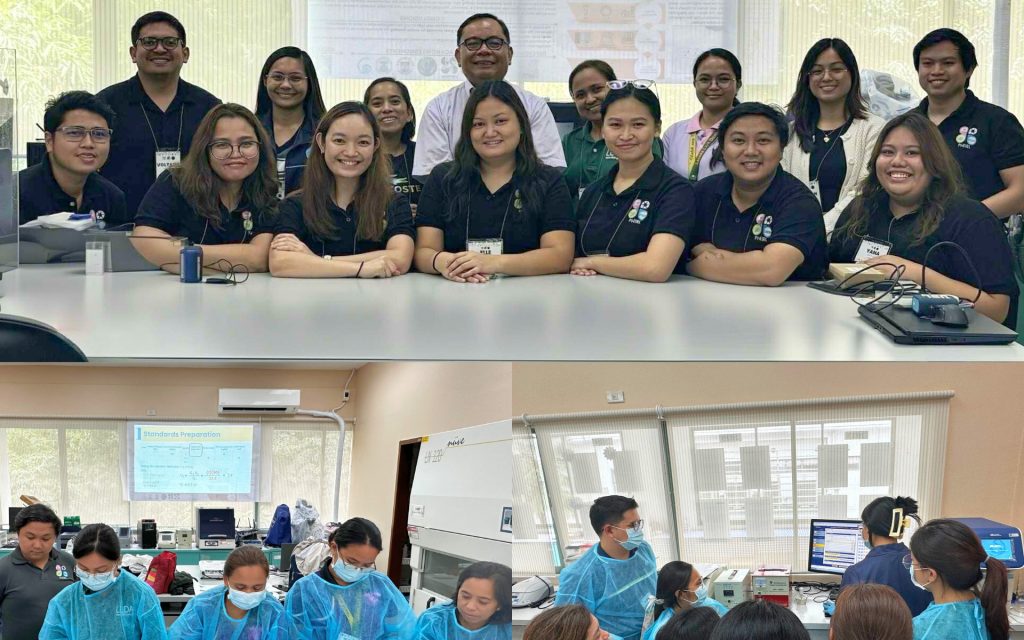
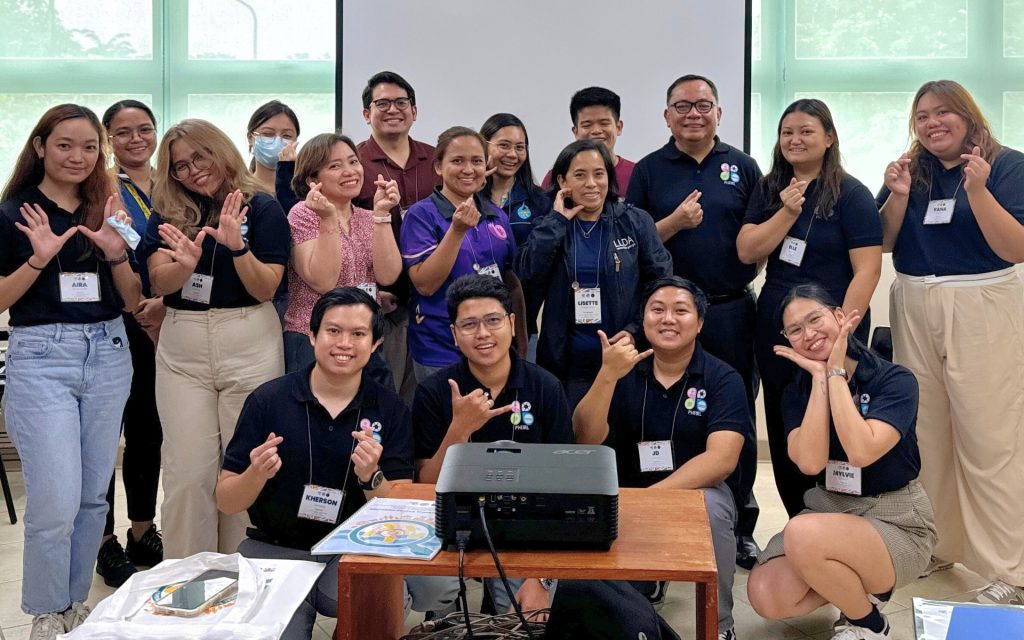
This program provides comprehensive training on the principles and practical applications of both library-dependent (culture-based) and library-independent (molecular-based) methods for identifying sources of microbial contamination in environmental waters. It also includes lectures and trainings on antimicrobial resistance (AMR) and antimicrobial resistance genes (ARGs) detection.
The participants will gain a deep understanding of the entire workflow, from sample collection, processing, and E. coli isolation to DNA extraction and the execution of PCR assays. They will also receive hands-on experience in using real-time quantitative PCR to detect host-specific microbial contamination directly from water samples.
O-serogrouping for Salmonella enterica
Next Workshop Date:
Not yet announced
Past Workshop Dates:
Jun. 2025
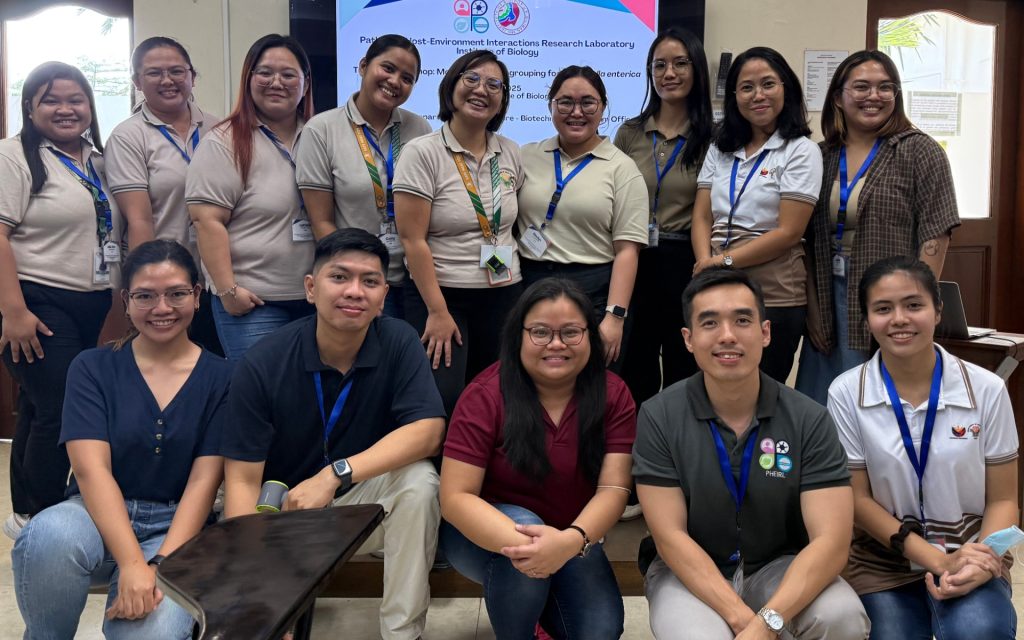
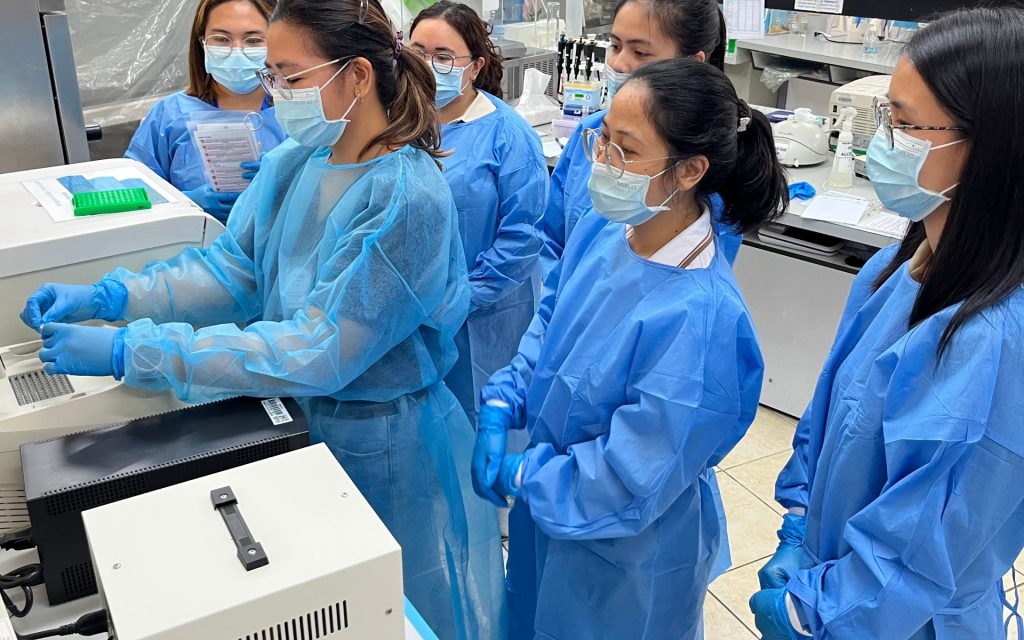
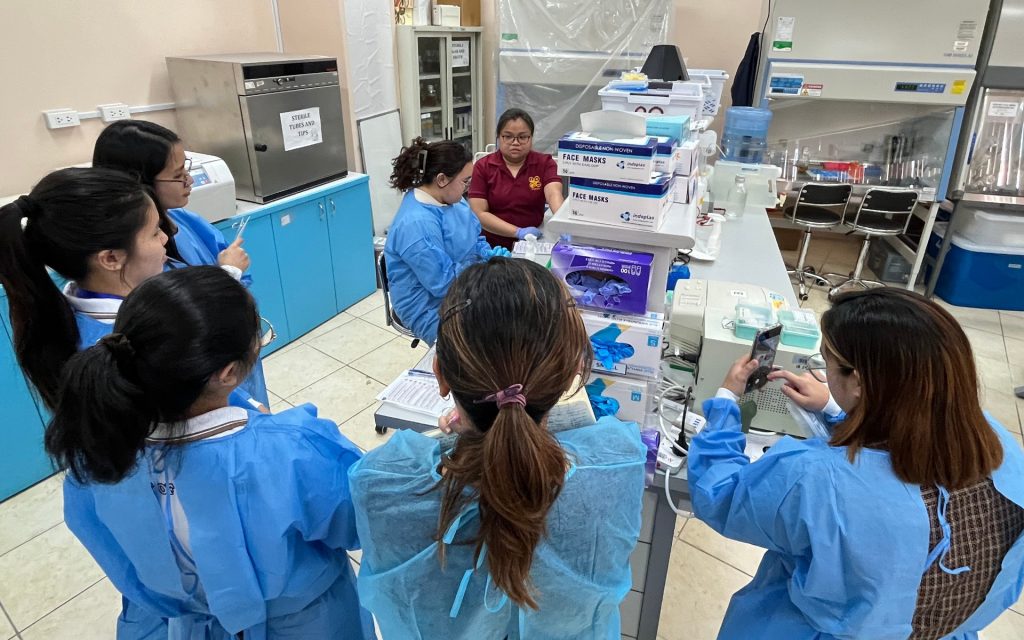
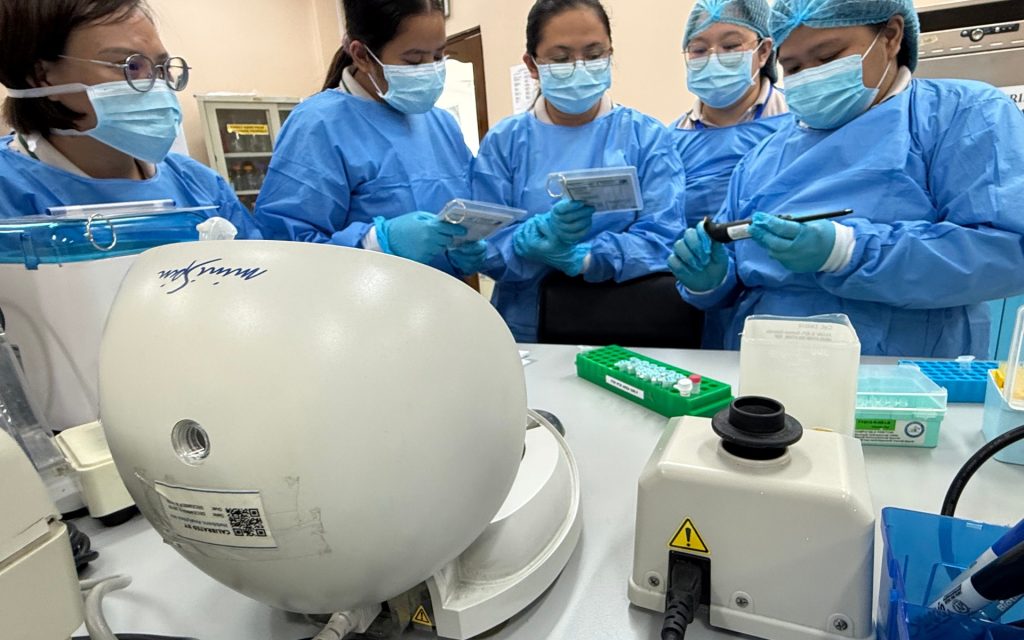
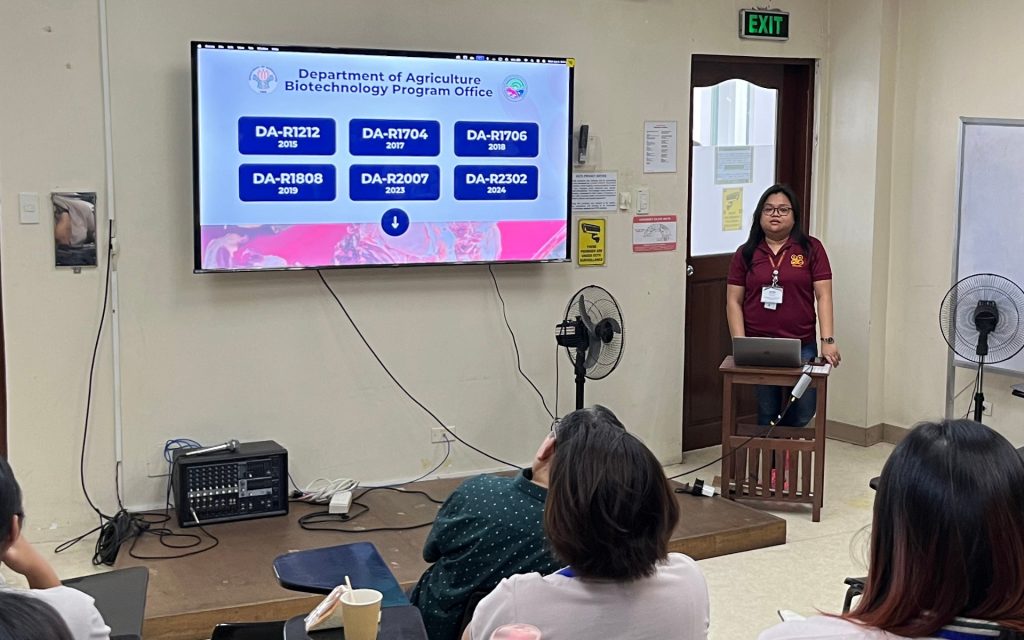
In continuity to the molecular Salmonella enterica detection workshop previously conducted to critical stakeholders, this training workshop navigated a simpler Salmonella classification technique using PCR by detecting multiple genes associated with the O-polysaccharide (outermost layer of the outer membrane of Gram-negative bacteria). This optimized method has the potential to complement currently laborious, resource-intensive, and time-consuming serogrouping/serotyping methods relying on antigen-antibody agglutination. With Salmonella enterica being diverse foodborne pathogens, timely and accurate identification and characterization is imperative to ensure effective tracking and employ informed decisions for food security and public health.
Most participants carried over from the previous related workshop to guarantee progression and application in routine surveillance bodies. The program included lectures and experiments on Salmonella enterica serogrouping through multiplex amplification of the rfb gene cluster from PCR preparation to visualization, interpretation, and troubleshooting.
Antimicrobial Susceptibility Testing using Vitek®2 ID/AST System
Next Workshop Date:
Not yet announced
Past Workshop Dates:
Dec. 2019
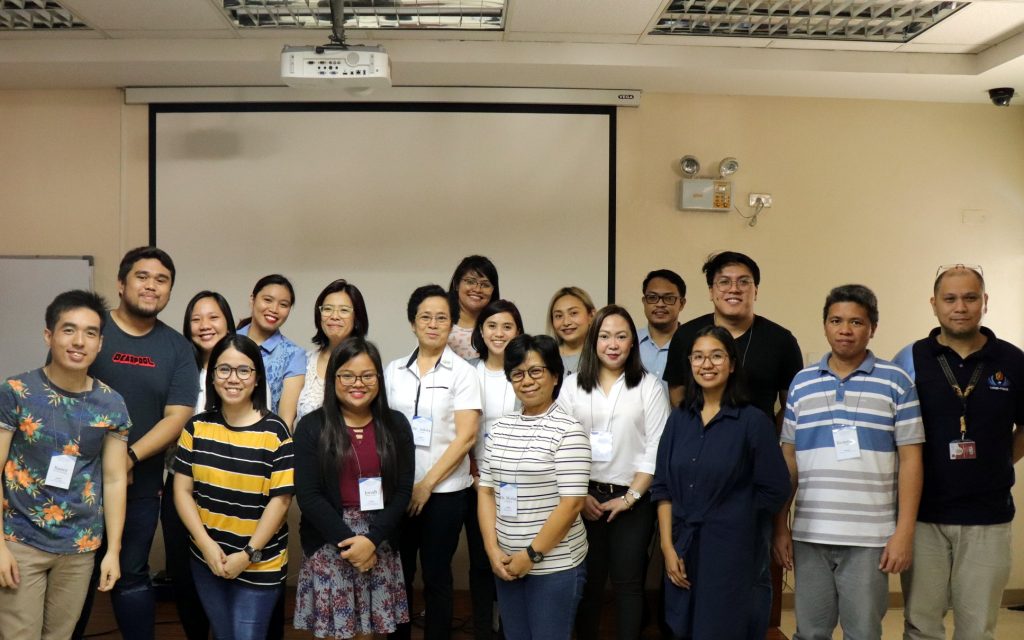
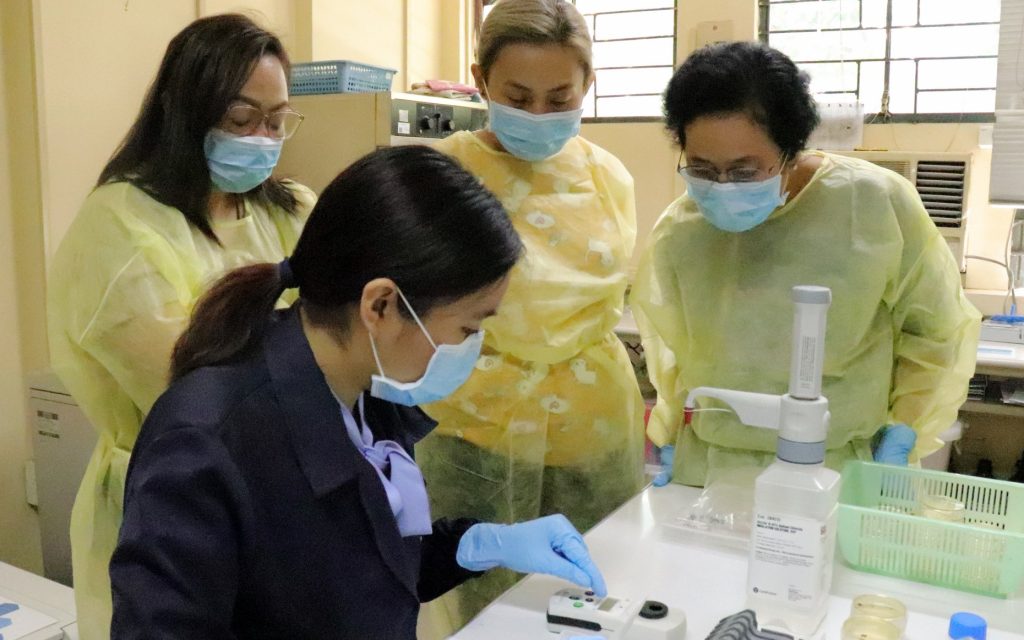
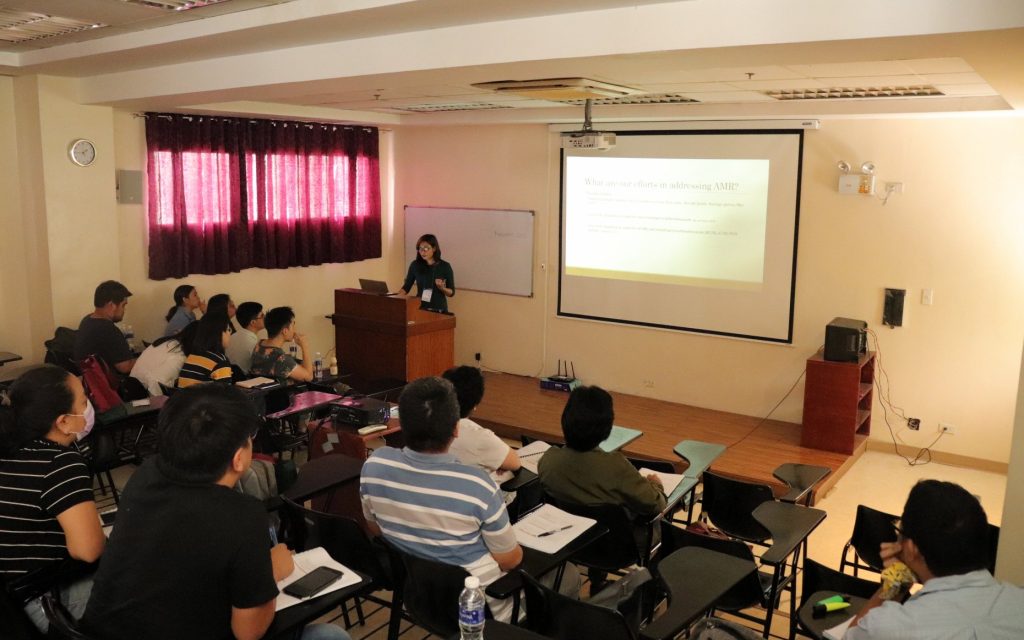
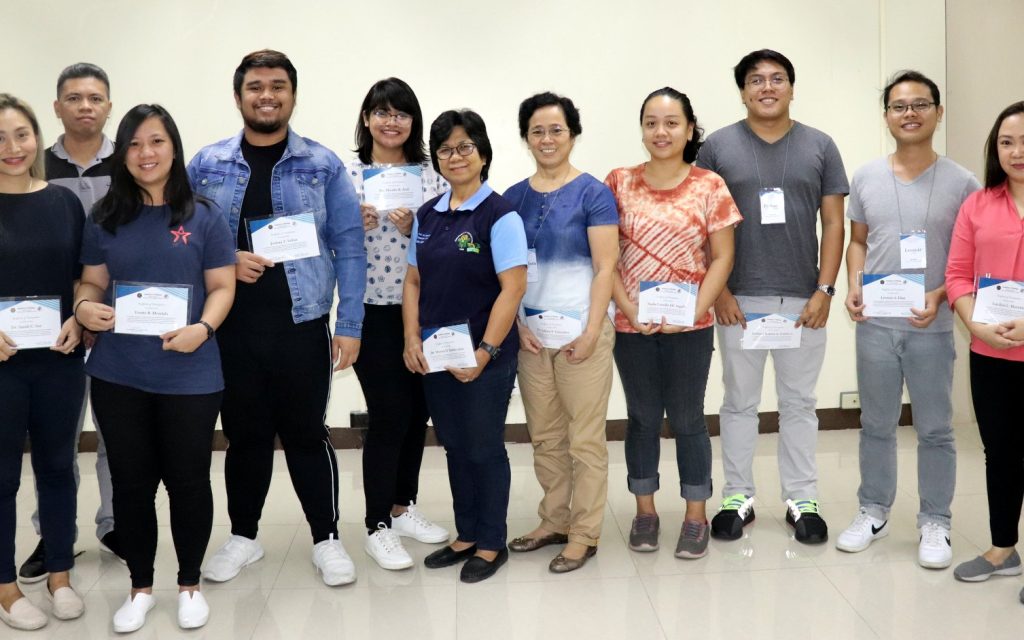
This workshop provided training to research staff and other personnel from DA, BAI, NMIS, as well as, aspiring researchers and students on phenotypic antimicrobial susceptibility testing (AST) using an automated system (Vitek®2). This system is designed for routine laboratory settings which are relevant to regulatory, surveillance, and testing departments.
Participants actively engaged in discussions on AMR concepts and current methods for Salmonella enterica AST. They were also trained hands-on with the complete workflow from sample preparation and loading, Vitek®2 machine and software operation using the GN70 cards (relevant to Salmonella enterica and other Gram-negative bacteria), as well as interpretations and troubleshooting of results, and their implications to animal and public health.
LAMP Detection of Salmonella enterica
Past Workshop Dates:
Mar. 2023
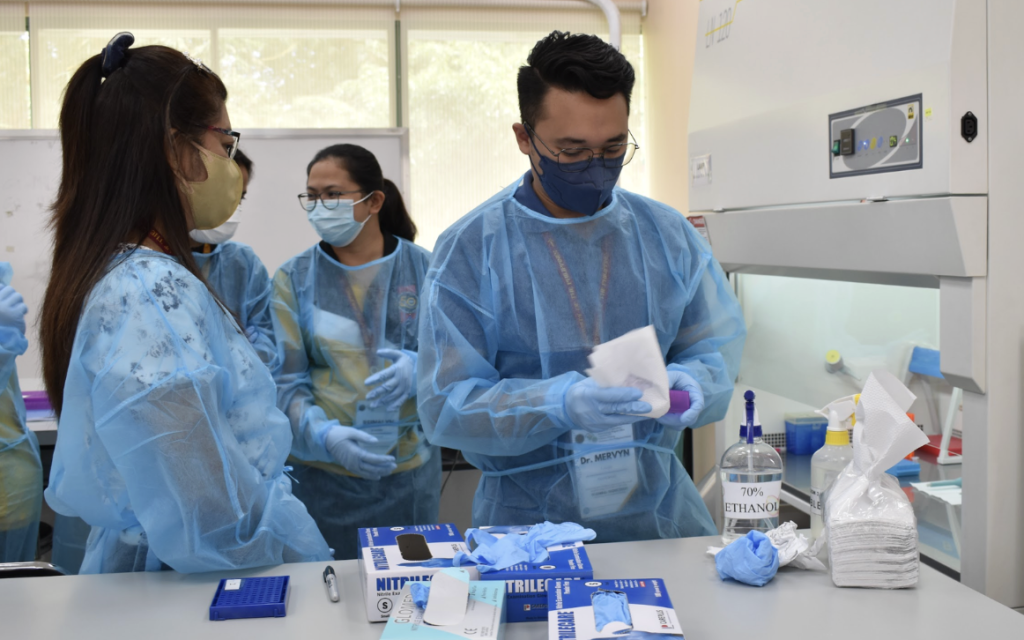
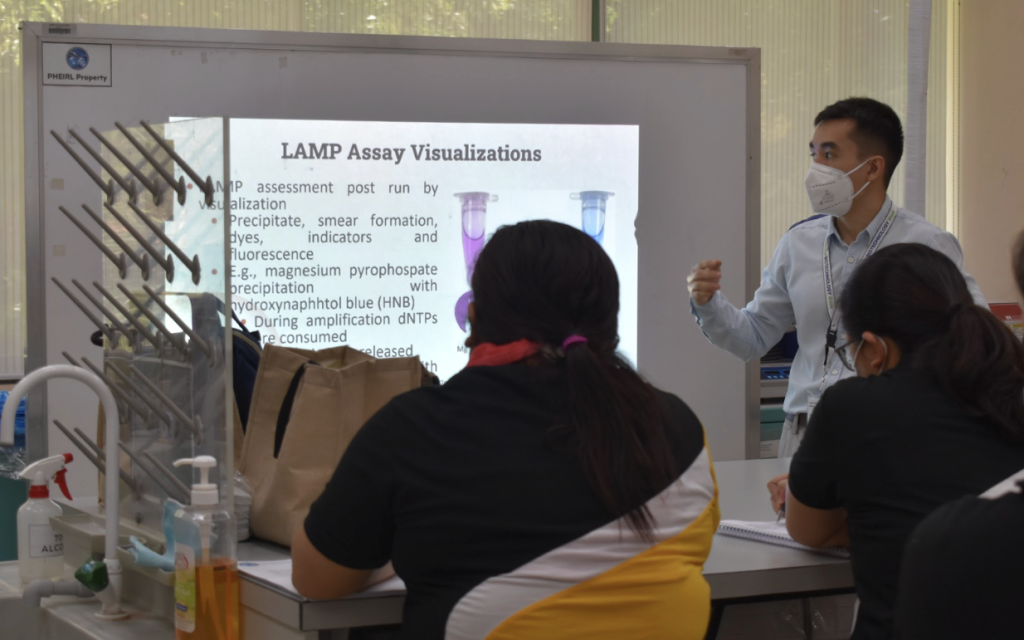
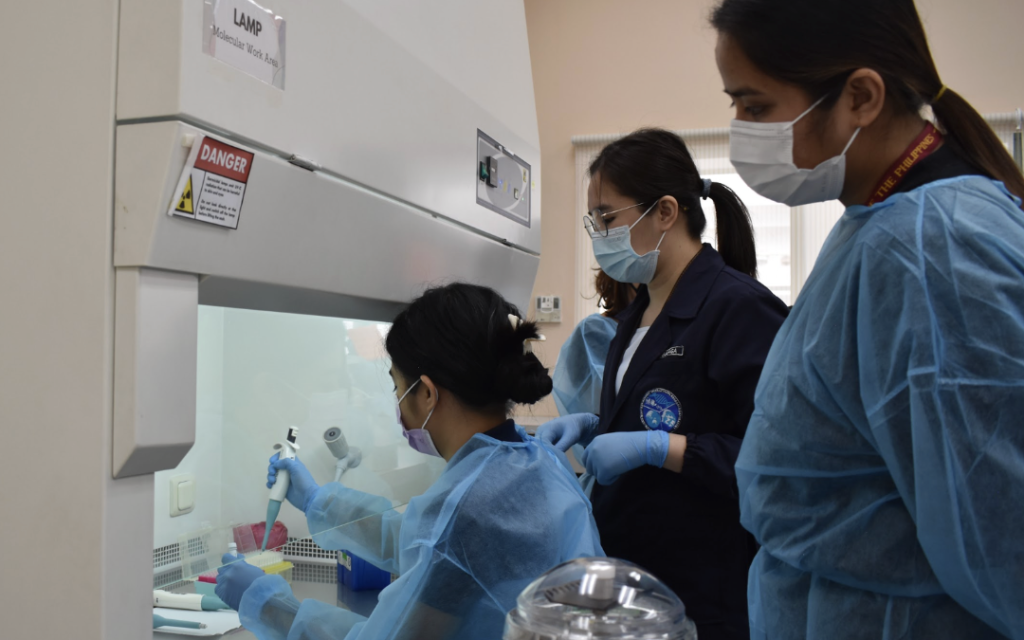
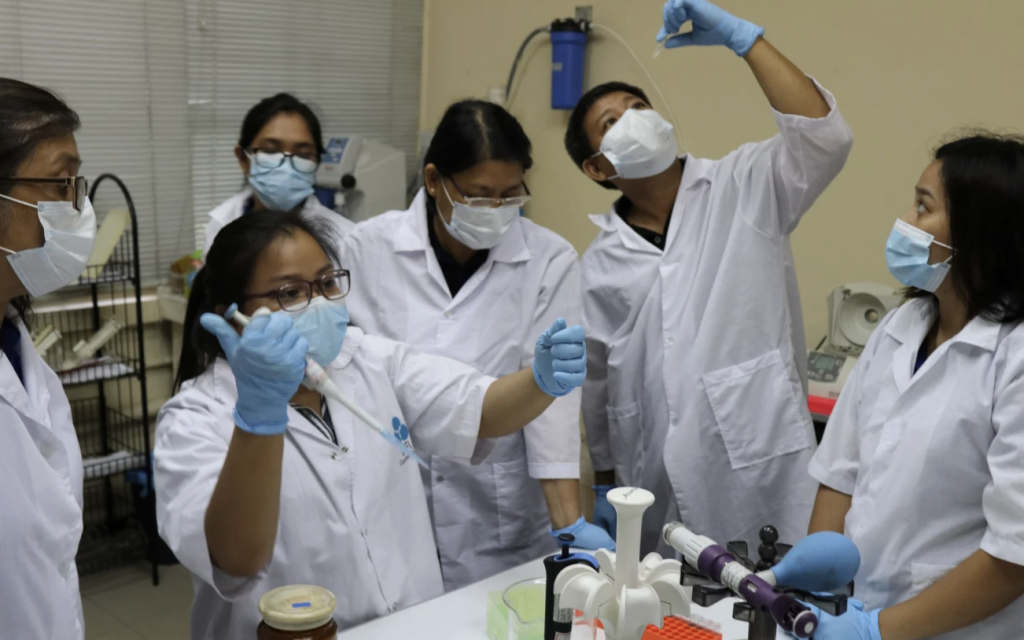

The importance of rapid and accurate pathogen detection is exemplified by the development of Loop-mediated isothermal amplification (LAMP), a molecular assay utilizing a different polymerase enzyme, established to be more sensitive, simpler, and faster than PCR with a visual approach to result determination. Our laboratory was able to develop, optimize, and validate an invA gene-based LAMP assay for the detection of Salmonella enterica from raw meat matrices.
Post-validation and publication, the method was packaged for lectures and laboratory training of research staff and personnel from DA, BAI, and NMIS from sample processing, enrichment, DNA extraction, LAMP preparation, visualization, and interpretation.
PCR detection of Salmonella enterica
Past Workshop Dates:
Jun. 2018
In commitment to food safety stewardship in the Philippines, this training provided a faster and more efficient molecular workflow for Salmonella enterica detection for the capacitation of relevant stakeholders such as the Department of Agriculture (DA), Bureau of Animal Industry (BAI), and National Meat Inspection Services (NMIS). Salmonella enterica is a highly prevalent and global foodborne pathogenic bacterium that remains elusive in low- to middle-income countries like the Philippines, with reliance on underperforming traditional culture-based detection techniques.
The program conducted extensive lectures and hands-on laboratory work covering sample processing, enrichment, selective enrichment, DNA extraction, PCR preparation, PCR operation, and visualization for the detection of the invA gene, a widely-accepted genetic marker for Salmonella enterica.